
Buenos Aires Unpacked
Topics Covered in This Post:
Disclosure: This post contains affiliate links. I may earn a small commission at no extra cost to you. I only recommend products and services I personally use and trust. Thank you for supporting my travel blog.
General
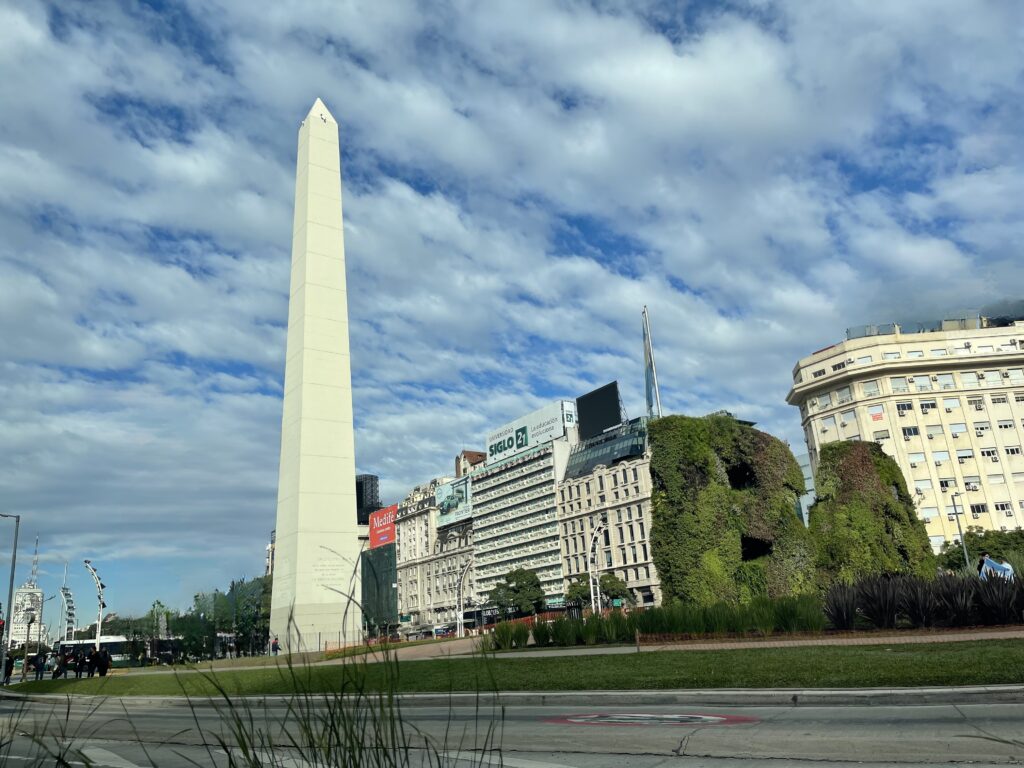
Buenos Aires is the capital of Argentina and one of the largest cities in South America. In English, this translates to “Good Airs”. The main language spoken in Argentina is Spanish, but there are some Italian and German speakers as well. This city is known as the Paris of South America due to its architecture and boulevards that resemble Paris. Some of the most influential European cultures of Argentina are Spanish, Italian, and German.
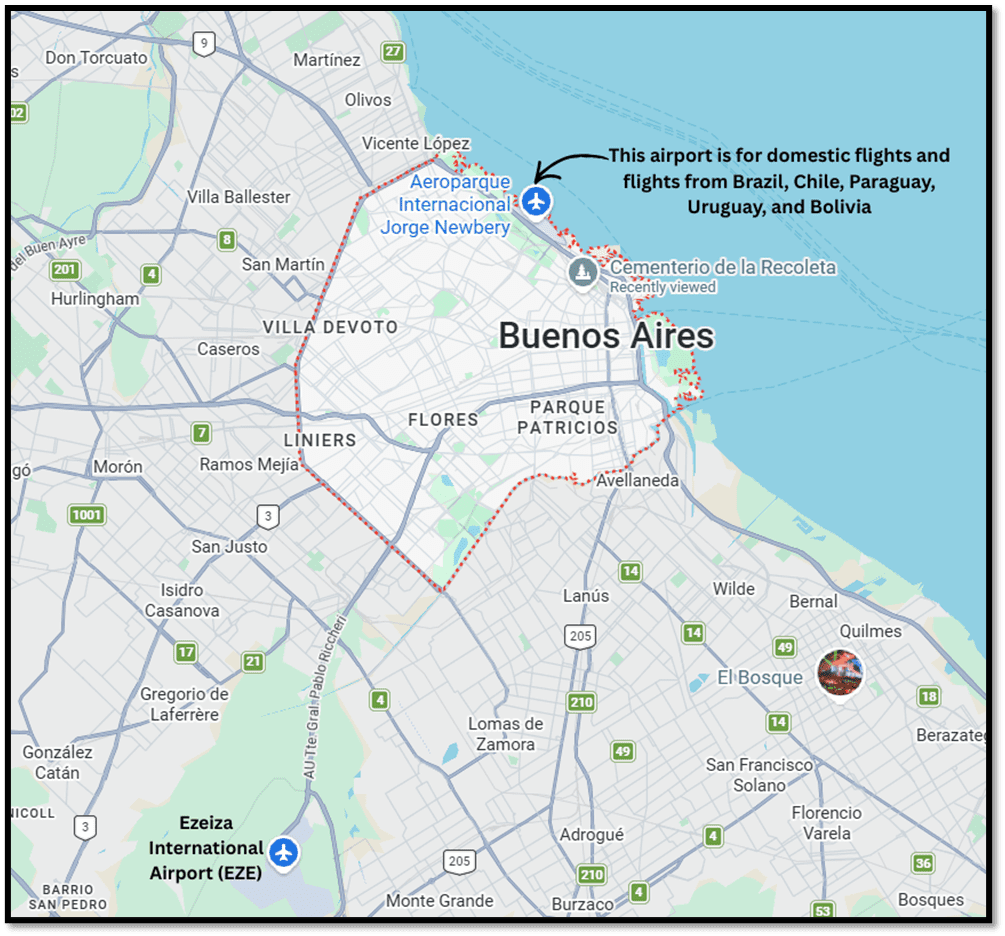
There are two airports in Buenos Aires:
- Aeroparque Internacional Jorge Newbery (AEP) – this is mostly for domestic flights within Buenos Aires and limited international flights, specifically from Brazil, Chile, Paraguay, Uruguay, and Bolivia. This airport is closer to the city center.
- Ezeiza International Airport (EZE) – All other flights use EZE. This airport is outside the city and will likely require a longer commute to your hotel, depending on where you are staying. Take this into account before you leave the airport. We used Google Maps to get an idea of how long the drive would take. I highly recommend using the restroom and stretch your legs before leaving the airport because distance and traffic could take a while. Check out the image below to get a visual of the airport location.
We booked private transportation from the airport to the hotel using Viator: Private Ezeiza (EZE) Airport Transfer to Buenos Aires City. It took about 45 minutes with no traffic. Of course, always check with your hotel first. Some hotels offer complimentary airport transportation.
Weather
We visited in July, which is Argentina’s winter. This is true for locations that are below the equator due to Earth’s tilt. So if you are live above the equator, July is your Summer season but it is winter for locations below the equator.
Per the locals, it never snows in Buenos Aires, but it can get very cold because of the winds and proximity to the coast. When we visited, the weather was in the 40’s and 50’s Fahrenheit. Pack according to your needs.
Neighborhoods
There are 48 neighborhoods or “barrios” that makeup Buenos Aires. Here are some of the most visited neighborhoods:
- Palermo – one of the largest neighborhoods of Buenos Aires. This is a trendy location with trendy restaurants, bars, and overall nightlife.
- Recoleta – this neighborhood has the streets and architecture that resemble Europe, specifically, Paris. Our hotel was located in this part of town and we were dazzled by its beauty. But we also got to explore some of the other neighborhoods.
- San Telmo – one of my favorite neighborhoods. It has old cobblestone streets, live Tango shows, flea markets, and on the weekend, it is a hotspot for locals to meander with family to enjoy brunch.
- Puerto Madero – this is a more commercialized area by the docks. It is more modern with modern restaurants, skyrises, and apartments.
- La Boca – this is the neighborhood with the colorful houses in the “Caminito”. This is a very artsy location. According to the Buenos Aires’ official website, this has heavy Italian influence as this is where Italian immigrants settled in the early 20th century.
Getting Around
- Walking – Buenos Aires is very walkable. We walked to locations that were within 30-45 minutes walking distance.
- Uber – works the same as it does in the USA. We used it a lot for locations that were further away or when our little one was tired of walking.
- Subte – Buenos Aires has the oldest subway system in Latin America, called the Subterraneo or “Subte”. It opened in 1913 and is widely used by locals and tourists.
- Bikes – you can rent bikes. The city is bike friendly.
Where We Stayed
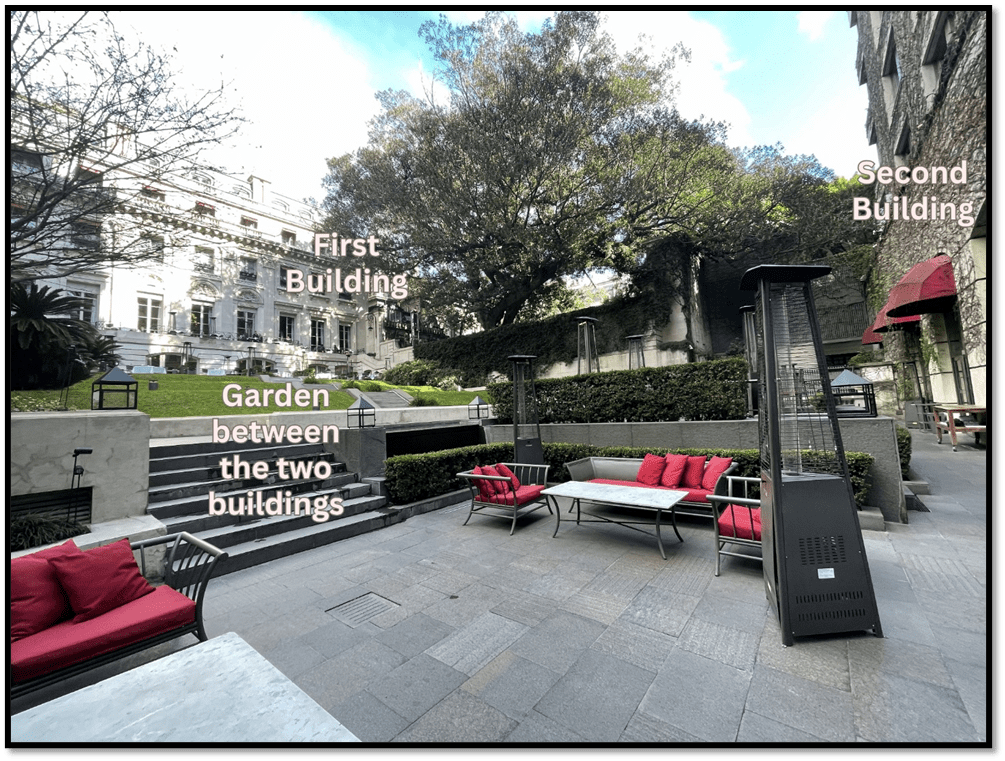
We stayed at Palacio Duhau, a Park Hyatt property. This hotel felt like stepping into a 1934 time capsule. A combination of a modern building and a neoclassical palace inspired by the Château du Marais. Its 19th-century architecture and modern accommodations were the perfect balance for us. The hotel has two buildings; one is the old palace while the other is a modern building. In-between the buildings, there is a gorgeous garden with giant old rubber tree.
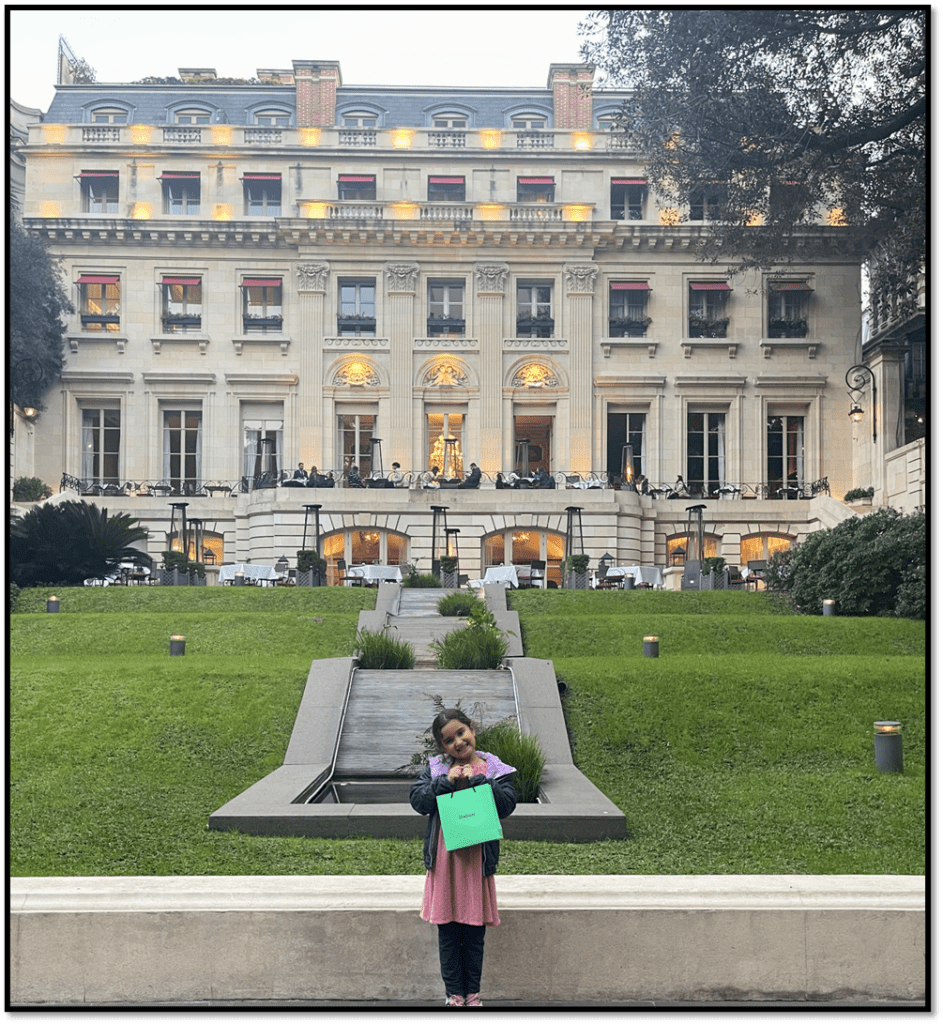
Pro tip for parents: the gardens between the two buildings are the perfect ‘reset’ button for jet-lagged kids while you soak in the history of the Duhau family legacy. There is an art hallway underground that connects the palace with the second building.
What We Did
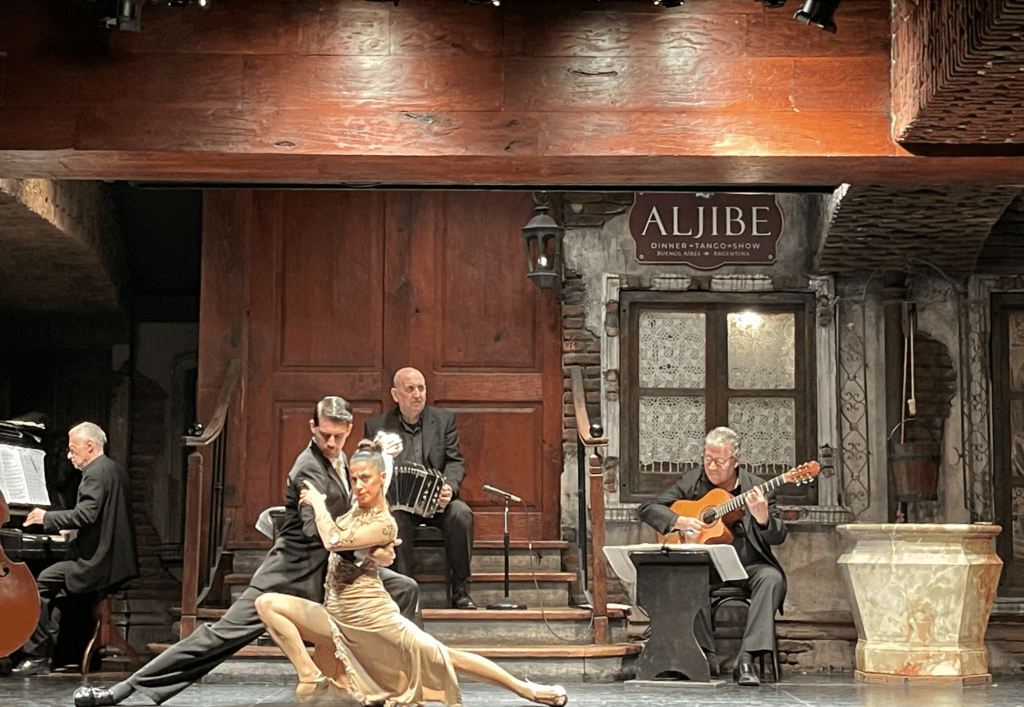
- Tango Show – We booked a Tango show with El Aljibe. The venue is in San Telmo, the city’s oldest neighborhood. The venue offers several packages and various times, which is nice if you have a family schedule or tired little ones. The show is held in a restored 19th-century ‘conventillo’ or tenement house. I thought it would be hard to keep a 6-year-old entertained, but she was completely captivated by the entire show. I highly recommend it. And the food was great! This was such an incredible show with live music. It was one of our favorite experiences.
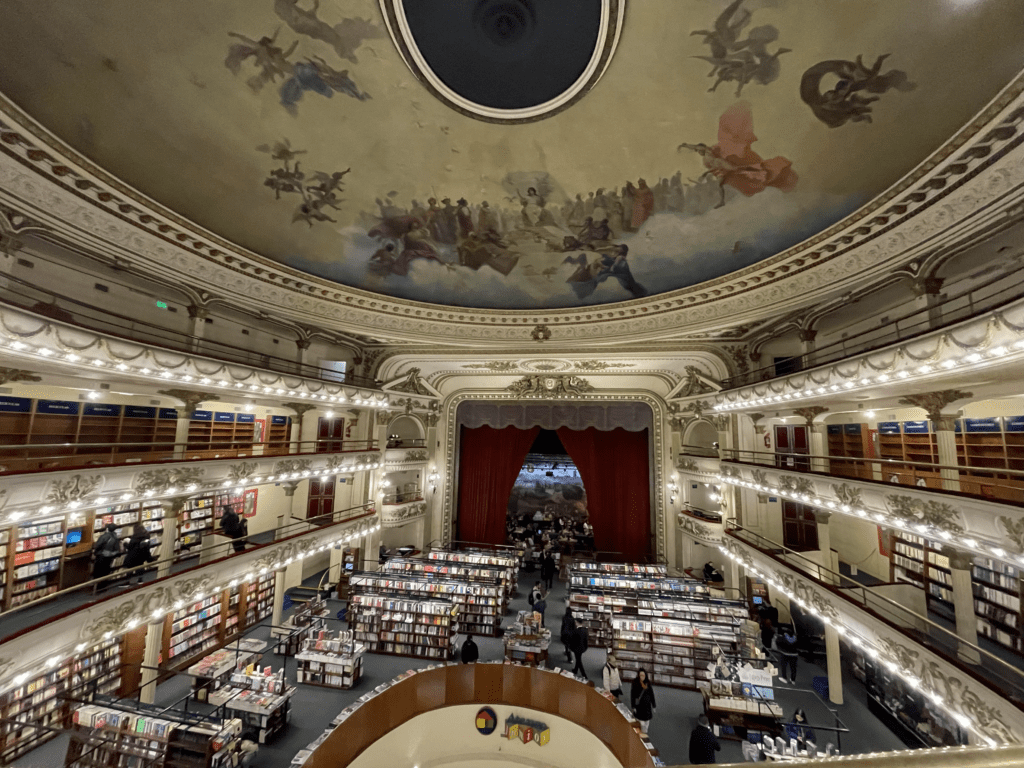
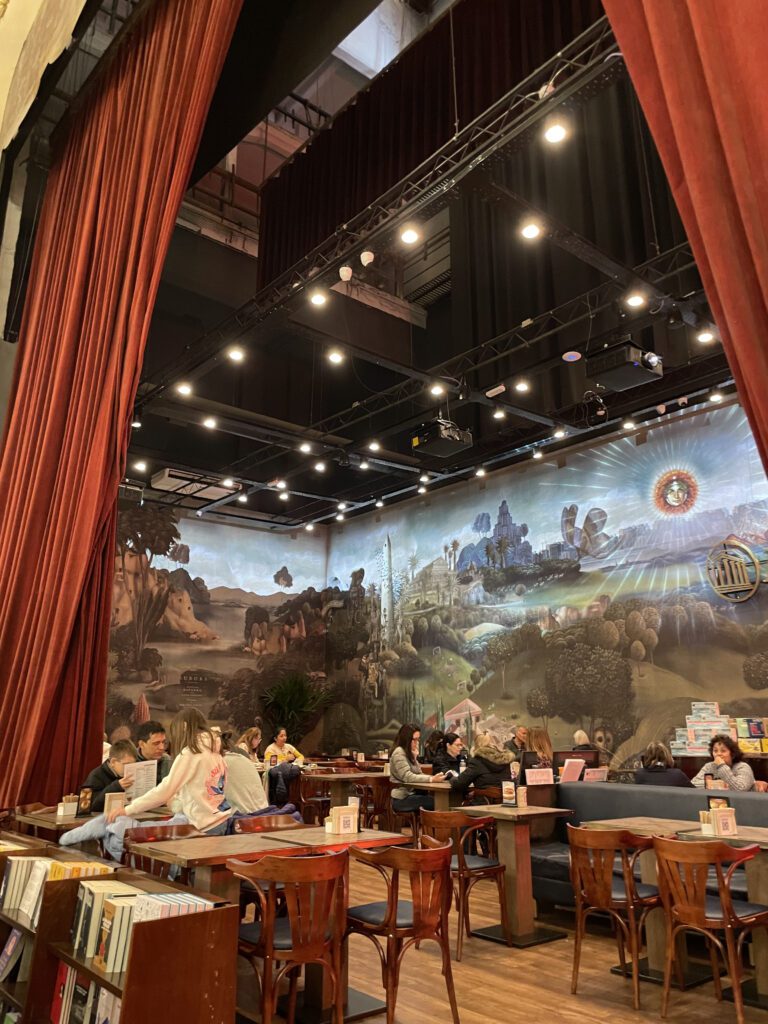
- El Ateneo Grand Splendid – This is a beautiful bookstore that used to be a theater (the Grand Splendid). We were in awe at the frescoed ceilings and vivid stage café. It’s consistently ranked among the most beautiful bookstores in the world, and honestly, the photos don’t do the scale justice. Cool tip: sit at the cafe at the top of the hour and watch it come alive with a very cute lightshow.
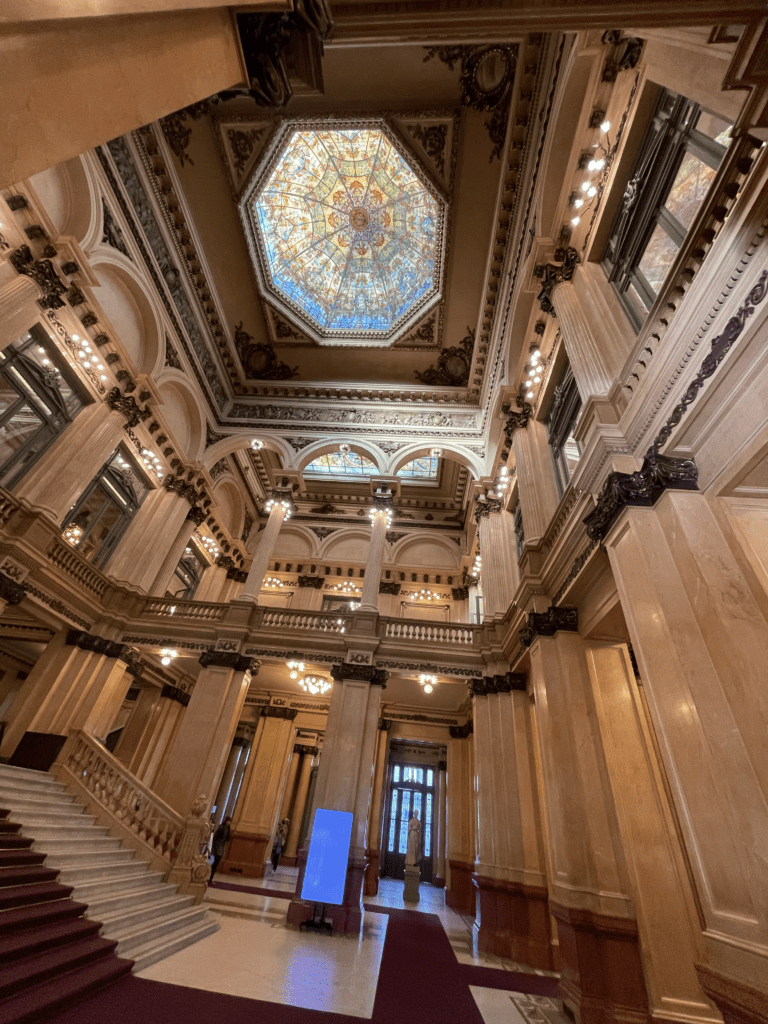
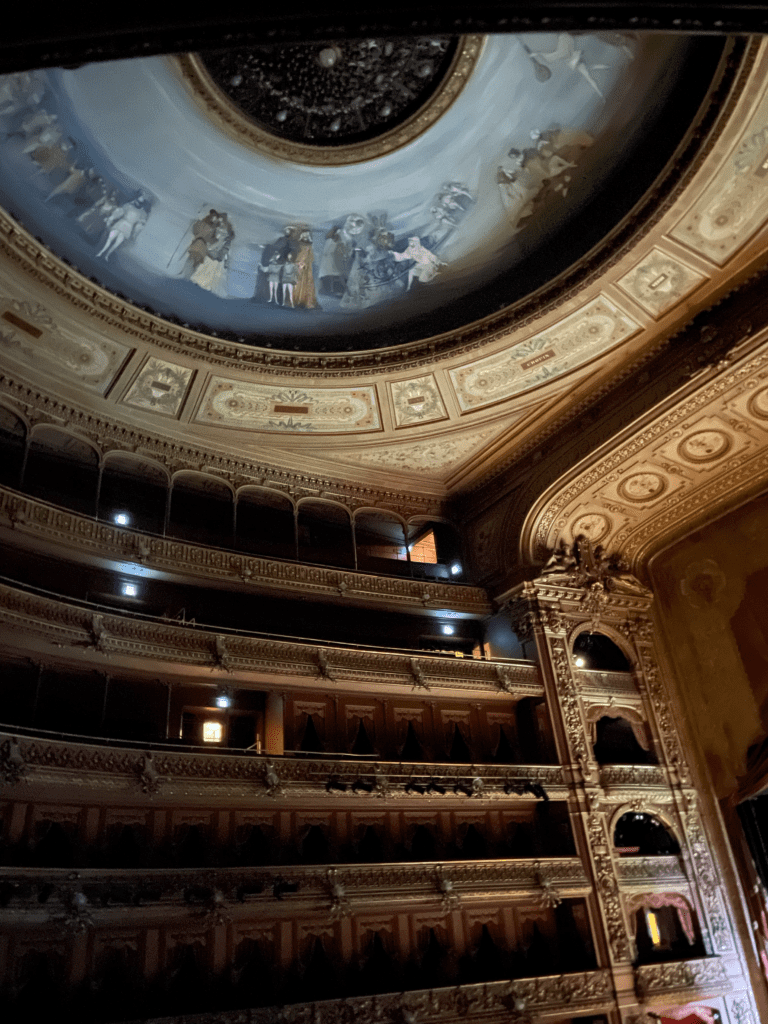
- Teatro Colón – The word “Teatro” means “theater in English. It is named after Cristobal Colon (Christopher Columbus). This theater is considered one of the top five opera houses in the world for its acoustics. Standing in the golden hall, you realize that beauty is a universal language. It has 2,478 seats and the massive chandelier. It’s a powerful lesson in human achievement and architectural precision, but also an ode to the preservation of culture through the arts.
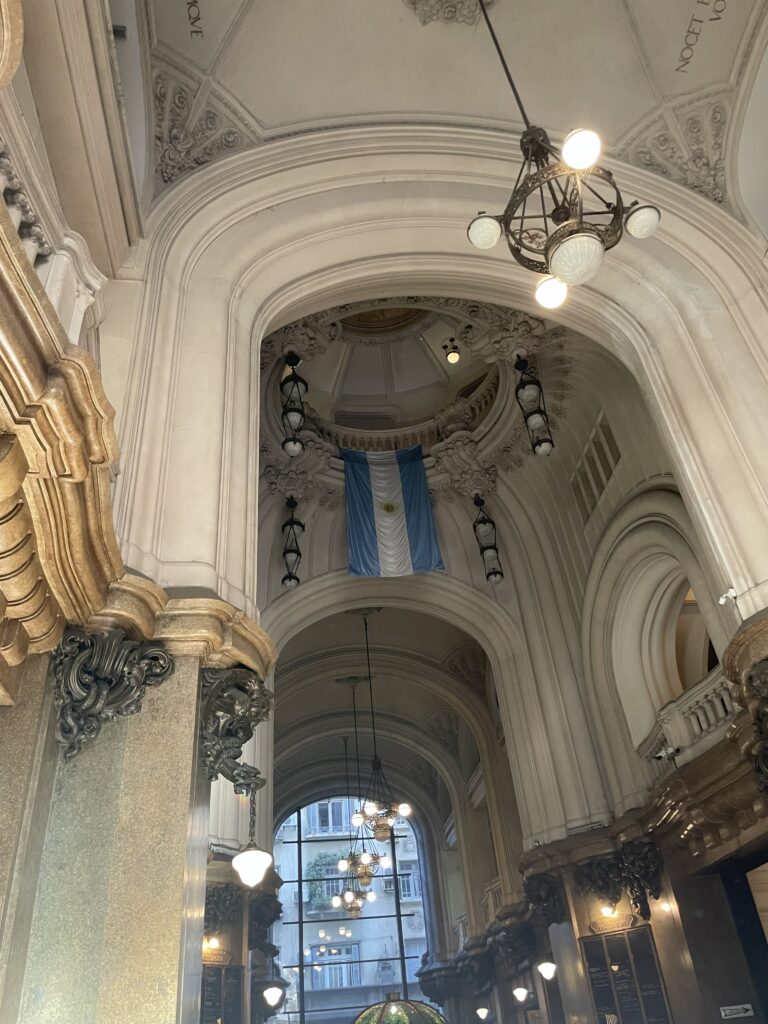
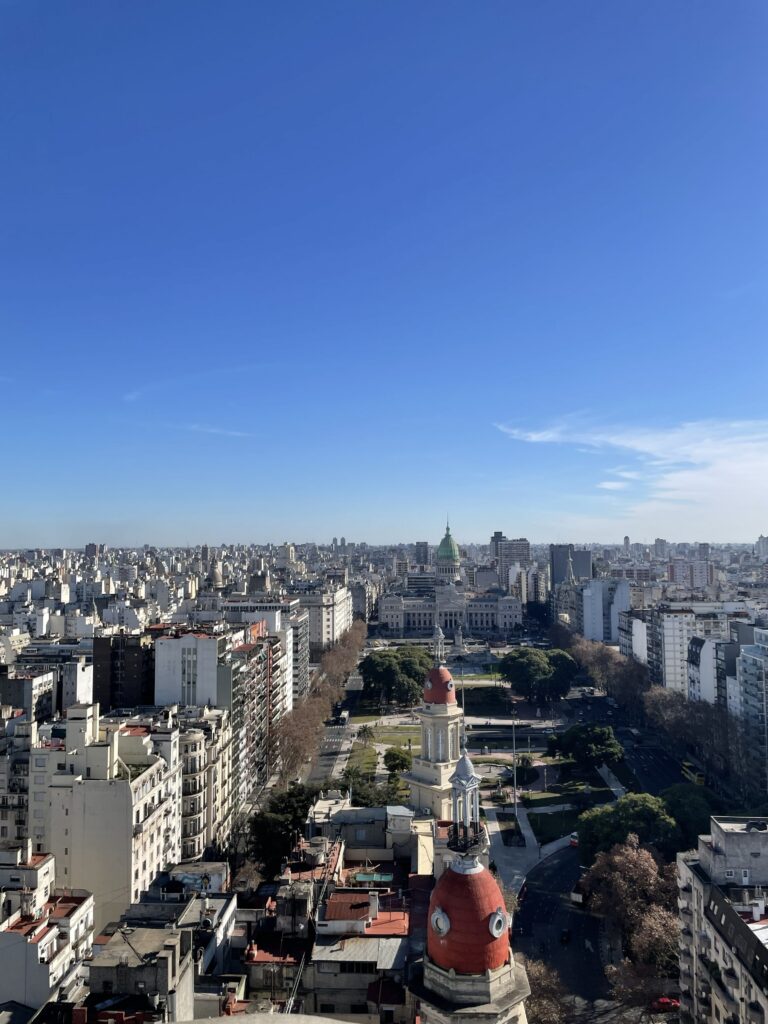
- Palacio Barolo – Palacio Barolo was designed based on Dante Alighieri’s Divine Comedy—the building is exactly 100 meters tall, one for each canto of the poem. The lighthouse at the top offers a view that helps kids grasp the sheer scale of this city. It’s a bit of a hike for little legs (the kiddos), but the lighthouse and views of the city are worth every step. Descending through Dante’s Vision at Palacio Barolo was a fun adventure for our family as we figuratively climbed through Hell, Purgatory, and Heaven within a beautiful building.
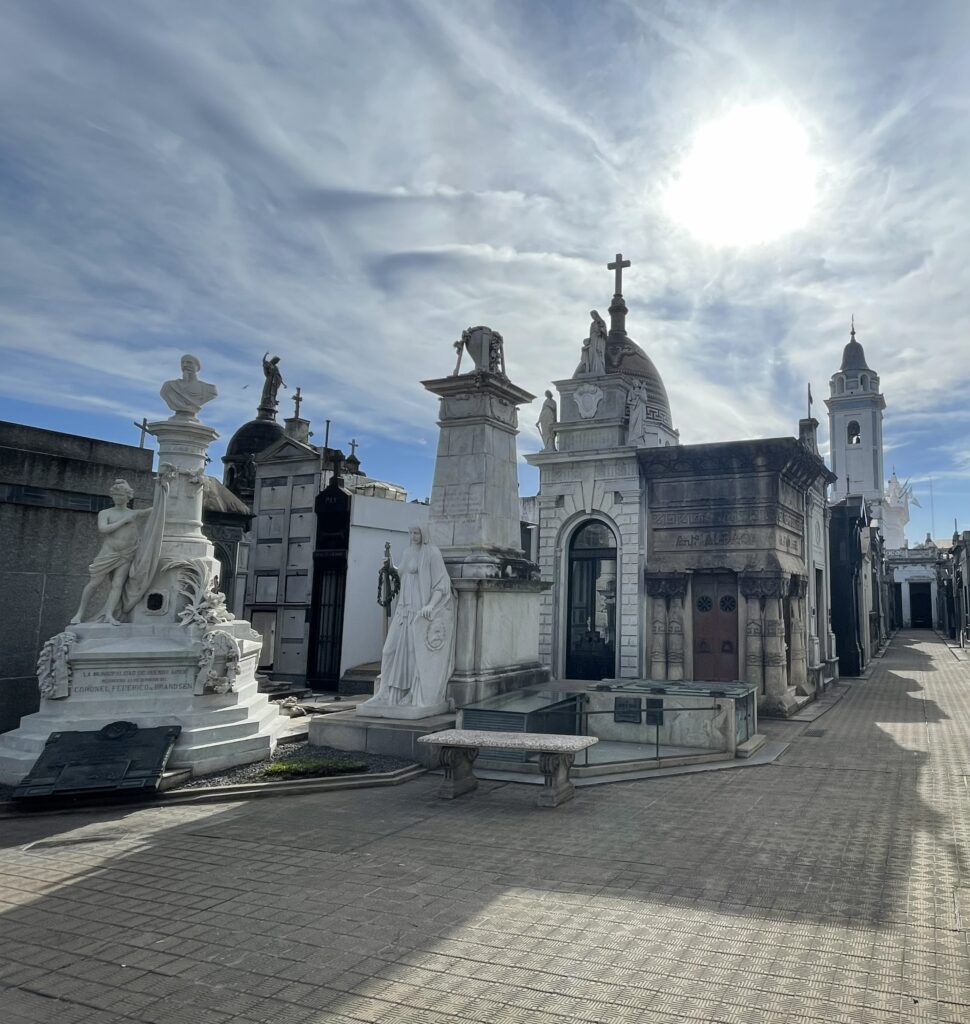
- Recoleta Cemetery – We walked through the ‘City of the Dead.’ Recoleta Cemetery is home to over 6,400 vaults, including Evita Perón’s. It sounds somber, but it’s actually an incredible open-air museum of sculpture and genealogy. Buenos Aires taught us that the past is always present, and it is beautiful.
Buenos Aires welcomed our family with its energy, color, and culture. From the rhythm of tango to the charm of its historic streets, we experienced a city where art and expression are part of daily life. It was a meaningful start to our Argentina journey—one that left us inspired, curious, and wanting more.
Thanks for reading and I hope this has been helpful. If you have any questions or need help planning, please contact me at wander@thewanderfullspirit.com.
Wishing you a WanderFull adventure!✨